

Introduction
In 2026, nearly every business, brand, and personal project lives or dies by its digital presence. Whether you are launching a startup, building a portfolio, running an online store, or growing a global company, web development is the engine behind your success. Yet many people still ask a fundamental question: why learn web development at all?
The answer is simple. The internet has become the primary marketplace, communication channel, and innovation platform of our time. Companies are no longer limited by geography; they compete globally for attention, customers, and talent. Behind every high-performing website, application, or digital product stands a skilled web developer or development team turning ideas into working systems.
If you are a student choosing a career path, an entrepreneur planning a new project, or a professional looking to future-proof your skills, understanding web development is one of the most valuable investments you can make. Web development offers unmatched flexibility, strong earning potential, and endless opportunities for creativity and problem-solving.
This guide explains exactly why learn web development in 2026, what web developers and designers really do, how they improve projects, which services are included, and where you can reliably hire top professionals when your project is ready to scale.
Why Learn Web Development in 2026?
The demand for web development continues to grow faster than almost any other technical field. Businesses need websites, web apps, dashboards, portals, SaaS platforms, and mobile-friendly experiences to remain competitive.
When people ask why learn web development, the reasons usually include:
- High global demand for developers
- Excellent earning potential and remote opportunities
- Low barrier to entry compared to other tech fields
- Strong creative and problem-solving satisfaction
- Transferable skills across industries
Learning web development allows you to build real products, automate business processes, create personal brands, and even launch full companies with minimal startup cost.
What Does a Web Developer Do and How Can They Help Me?
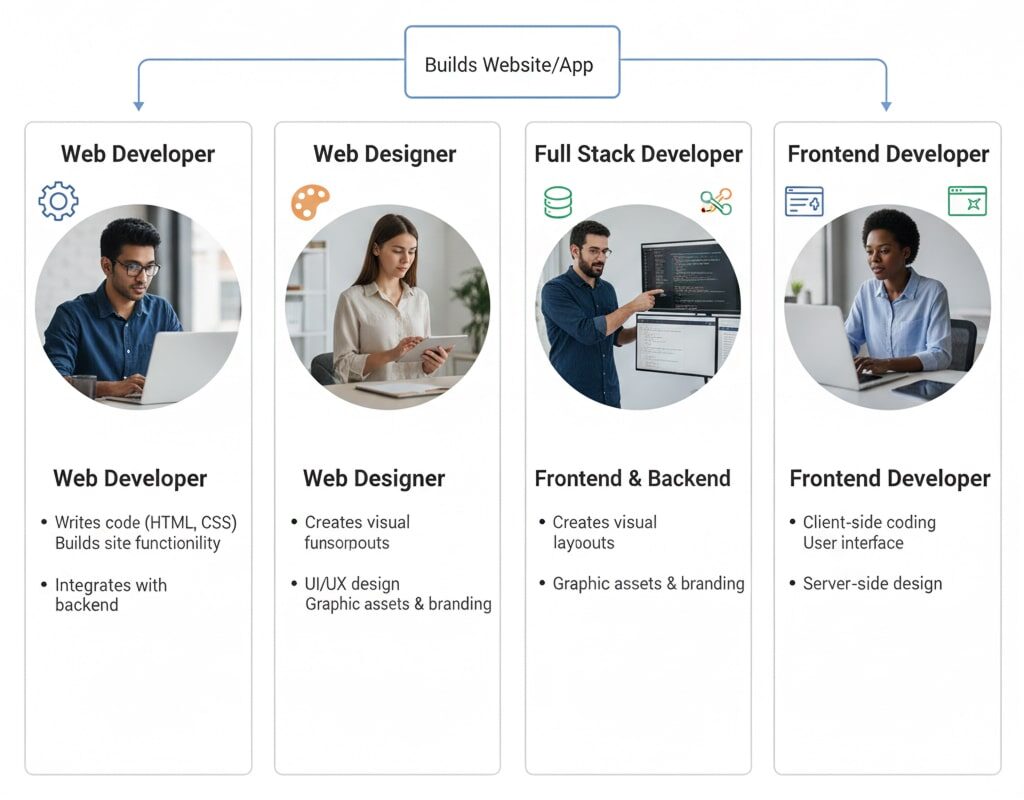
A web developer is responsible for designing, building, and maintaining websites and web applications. Their work turns ideas into functioning digital platforms that users can interact with.
Core responsibilities include:
- Writing clean, scalable code
- Building responsive user interfaces
- Creating server-side logic and databases
- Integrating third-party services and APIs
- Testing, debugging, and optimizing performance
- Maintaining security and system reliability
Web developers help businesses grow by improving customer experience, automating operations, increasing conversions, and making platforms scalable.
To explore professional help, you can Search for Web Developers offering full-cycle development services.
How Can a Web Developer Improve My Project?
A skilled web developer directly impacts your project’s success. They improve:
- Performance: Faster load times, better stability
- User Experience: Clean interfaces and smooth workflows
- Security: Data protection and system reliability
- Scalability: Infrastructure that grows with demand
- Conversion Rates: Optimized layouts and interactions
In real projects, businesses often see improved engagement, reduced bounce rates, and increased revenue after professional development improvements.
What Does a Web Designer Do and How Can They Help Me?
A web designer focuses on the visual and usability side of your platform. Their responsibilities include:
- Layout and visual identity design
- Color schemes, typography, and branding
- User experience (UX) optimization
- Wireframes and prototypes
Designers ensure your site is attractive, intuitive, and aligned with brand identity. You can find experienced designers here:
Hire Web Designers
How Can a Web Designer Improve My Project?
Good design increases trust, engagement, and conversion. Businesses with strong UX see higher customer retention, better reviews, and stronger brand recognition.
What’s Included in Web Developer Services?
Typical web developer services include:
- Frontend & backend development
- Database design and management
- API integration
- Performance optimization
- Security hardening
- Testing and debugging
- Deployment and maintenance
For full-cycle builds, many teams hire specialists in Full Stack Web Development who manage both frontend and backend systems.
Who Are the Top Web Developers for Website Development Projects?
Top web developers combine technical skill with business understanding. They:
- Communicate clearly with stakeholders
- Deliver on deadlines
- Build maintainable, scalable systems
- Solve problems proactively
When evaluating professionals, check portfolios, client reviews, technical depth, and communication style.
In the hiring section:
“Fiverr offers a straightforward way to find web developers – you can filter by experience, read reviews, and see past work samples before making a decision.”
What Does a Full Stack Web Developer Do and How Can They Help Me?
Full stack developers manage both frontend and backend systems. They:
- Design full system architecture
- Write frontend interfaces and backend logic
- Connect databases and APIs
- Deploy and maintain applications
They are ideal for startups and fast-moving teams needing efficient, end-to-end development.
Comparing Roles: When Each Makes Sense
| Role | Best Use Case |
|---|---|
| Web Developer | Building core platform functionality |
| Web Designer | Creating user-friendly interfaces |
| Full Stack Developer | Managing full system development |
| Frontend Developer | Building UI components |
For frontend specialists:
Hire Frontend Web Developers
Cost & Hiring Considerations
In cost considerations:
“One advantage of using Fiverr for web developer services is the transparent pricing model – you can see rates before reaching out.”
You can also explore full website design services here:
Find Website Designers
Practical Guidance: How to Start & Build Your Web Project
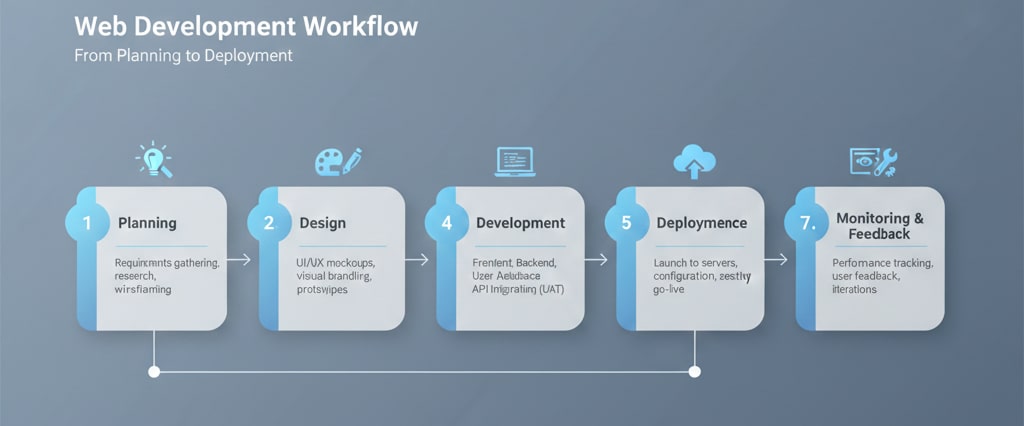
Step 1: Define Your Goals
Business site, portfolio, SaaS, store, or platform.
Step 2: Choose the Right Team
Combine developers, designers, and specialists.
Step 3: Plan Features & Architecture
Map workflows, data flow, and integrations.
Step 4: Build, Test, Deploy
Iterate continuously with testing and feedback.
Step 5: Monitor & Improve
Analyze performance and improve over time.
Conclusion
Understanding why learn web development in 2026 is no longer optional — it is essential. Whether you want a future-proof career or a successful business, web development skills and professionals are the foundation of modern digital success. With the right team, tools, and planning, your ideas can become powerful, scalable platforms that compete globally.