

Introduction
In 2026, building a website is no longer just about choosing a theme and publishing a few pages. Businesses now compete in a highly digital, experience-driven market where your website functions as your primary sales engine, brand representative, and customer service platform. That means your requirement for website development must be clear, complete, and aligned with both business goals and modern user expectations.
Many website projects fail not because of poor developers, but because the original requirement for website development was incomplete, vague, or unrealistic. Missing details about user flow, content structure, technical stack, performance benchmarks, or ongoing maintenance often lead to budget overruns, missed deadlines, and disappointing results.
This comprehensive guide provides a full website development requirements checklist for 2026. Whether you’re launching your first startup website, rebuilding an enterprise platform, or managing multiple client projects, this guide will help you understand:
• Exactly what needs to be planned before development begins
• What website designers and developers actually deliver
• Which roles you need and when each one makes sense
• How professional designers improve project outcomes
• Where to find reliable website professionals
By the end of this article, you will have a clear, actionable roadmap for defining your website project the right way.
What Is the Core Requirement for Website Development?
A proper requirement for website development is a documented blueprint that defines:
• Business objectives
• Target users
• Functional features
• Design expectations
• Technical architecture
• Performance benchmarks
• Budget and timeline constraints
Without this blueprint, even the best development team cannot deliver optimal results.
Full Website Development Requirements Checklist (2026)
1. Business & Strategy Requirements
Before writing any code, define:
• Website goals (sales, leads, brand awareness, support)
• Target audience personas
• Competitive positioning
• Key success metrics (conversion rate, retention, engagement)
2. Content & Information Architecture
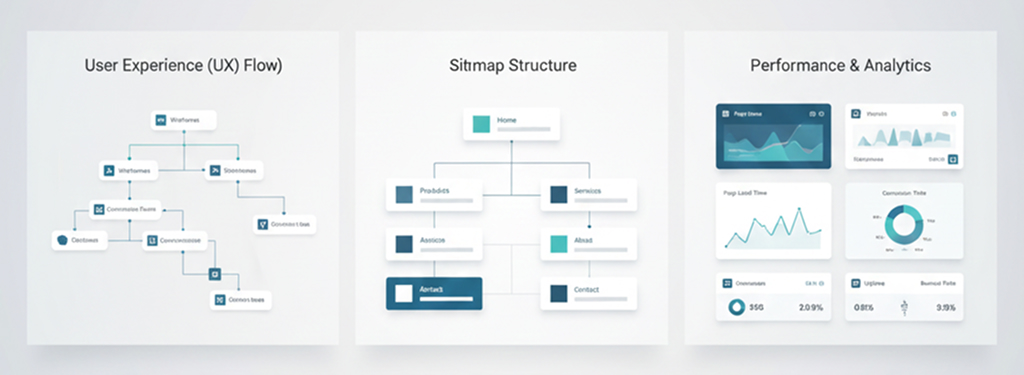
• Page structure & sitemap
• Content types (blogs, landing pages, case studies, product pages)
• SEO keyword strategy
• Navigation hierarchy
• URL structure planning
3. Design & UX Requirements
• Brand guidelines
• Visual style preferences
• Accessibility compliance (WCAG 2.2)
• Mobile-first design rules
• Page interaction behavior
4. Technical Requirements
• CMS or framework selection
• Database & hosting architecture
• Security standards (SSL, encryption, compliance)
• API integrations
• Scalability planning
5. Performance & SEO Requirements
• Page speed targets
• Core Web Vitals benchmarks
• Structured data & schema
• SEO metadata strategy
• Analytics & tracking setup
What’s Included in Website Designer Services?
A professional website designer handles:
• UI/UX research and wireframing
• Visual design systems
• Brand alignment
• Responsive layout creation
• Usability testing
• Design documentation for developers
Website designer services on Fiverr include specialists across industries and budgets, allowing businesses to match design quality with financial goals.
Who Are the Top Website Designers for Website Development Projects?
Top website designers combine:
• UX psychology
• Conversion-focused layouts
• Strong branding instincts
• Cross-device optimization
• Clear communication with developers
Many companies choose to Search for Website designers on Fiverr because portfolios, reviews, and pricing are transparent before hiring.
What’s Included in Web Developer Services?
Web developers execute the technical implementation:
• Front-end development
• Back-end architecture
• Database integration
• Performance optimization
• Security implementation
• Deployment & maintenance
You can explore qualified professionals through trusted web development services.
What’s Included in Web Designer Services?
Web designers focus on visual experience:
• Layout & branding
• Typography & color systems
• Interaction design
• Usability testing
• Accessibility optimization
This role ensures your requirement for website development translates into intuitive user experience.
How Can a Website Designer Improve My Project?
A professional website designer:
• Reduces bounce rates
• Improves conversion performance
• Strengthens brand credibility
• Enhances usability
• Prevents expensive redesigns
Design is not decoration — it is a growth driver.
Who Are the Top HTML Experts for Website Development Projects?
HTML experts ensure:
• Semantic markup
• SEO-friendly code
• Accessibility compliance
• Faster load times
• Clean integration with CSS & JS
Specialists in HTML development help websites perform at enterprise standards.
What’s Included in Full Stack Web Developer Services?
A full stack developer delivers:
• Front-end & back-end coding
• Database design
• API integration
• Performance tuning
• Security management
• Deployment & maintenance
Companies seeking complete solutions often hire full stack web developers for efficiency and consistency.
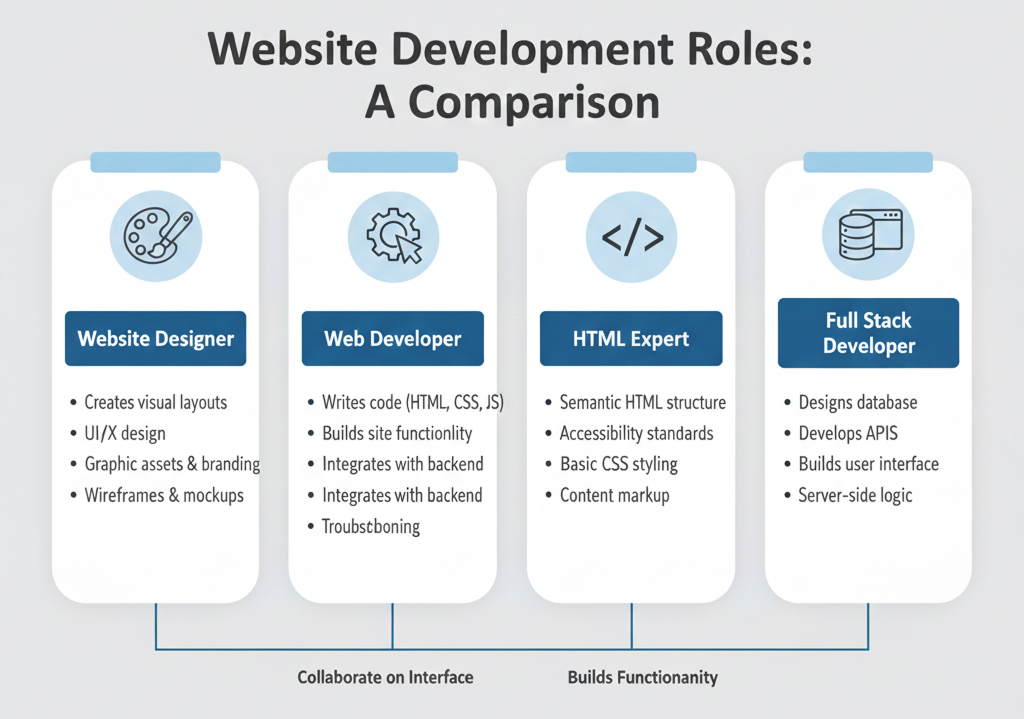
Comparing Website Roles — Who Do You Actually Need?
| Role | Best For |
|---|---|
| Website Designer | Branding, UX, conversion |
| Web Developer | Core functionality |
| HTML Expert | Code structure & SEO |
| Full Stack Developer | End-to-end systems |
| UI/UX Designer | Usability & research |
Understanding these roles ensures your requirement for website development is aligned with real skill sets.
Cost Considerations & Hiring Guidance
When discussing costs:
“Platforms like Fiverr make it easy to see upfront pricing for website designer work, which helps with budget planning.”
Hiring options include:
• Website designers
• Web developers
• Full stack developers
• HTML experts
You can Explore Website designer options, browse portfolios, and compare services before committing.
Practical Guidance: How to Build Your Website Requirements Step-by-Step
Step 1: Define Business Goals
Step 2: Identify Target Users
Step 3: Build Content Map
Step 4: Choose Technology Stack
Step 5: Establish Budget & Timeline
Step 6: Hire the Right Professionals
Step 7: Validate & Refine
This structured process dramatically increases project success rates.
Conclusion
Your requirement for website development is the foundation of your digital success. When carefully planned, professionally executed, and continuously refined, your website becomes your most powerful growth asset.
By understanding what designers and developers actually deliver, knowing which roles you need, and working with trusted professionals, you eliminate costly mistakes and build platforms that scale.