
Introduction
Modern applications depend heavily on APIs. From mobile apps and SaaS dashboards to ecommerce platforms and IoT systems, APIs act as the backbone that keeps data flowing smoothly between services. But as traffic increases, poorly optimized APIs can quickly become a bottleneck—leading to slow response times, frustrated users, and higher infrastructure costs. That’s where rest api caching best practices become essential.
If your API is returning the same data repeatedly or handling thousands of identical requests per minute, caching can dramatically improve performance, scalability, and reliability. Even for beginner developers, learning how caching works inside REST APIs is one of the fastest ways to achieve enterprise-grade optimization without rewriting your entire backend.
In this performance guide, you’ll learn rest api caching best practices in a clear, beginner-friendly way. We’ll cover how caching actually works, which strategies produce the biggest gains, how API developers optimize projects using caching, and how businesses choose the right professionals and platforms for API integration services.
You’ll also see how professional API developers evaluate caching strategies in real-world projects, how to compare popular hiring platforms, and how to identify the right expert for your performance goals. Whether you’re building a startup MVP, scaling a SaaS product, or modernizing enterprise infrastructure, mastering caching is one of the highest-impact upgrades you can make.
REST API Caching Basics: What It Is and Why It Matters
Before diving into advanced techniques, let’s establish the foundation of rest api caching best practices.
What Is API Caching?
API caching stores frequently requested data in a fast-access location so future requests can be served instantly—without hitting the backend database or business logic layer again.
Instead of:
Client → API → Database → Response
It becomes:
Client → Cache → Response
Why Caching Is Critical for Performance
Proper caching delivers measurable business results:
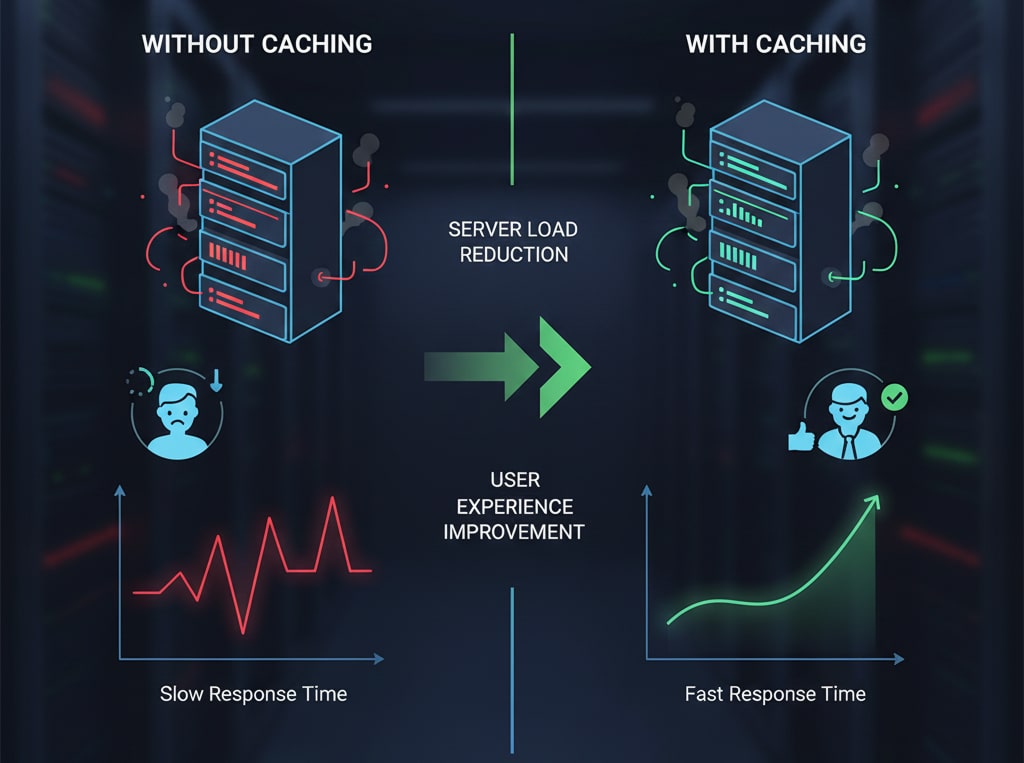
- Faster response times for users
- Lower server load and hosting costs
- Improved scalability during traffic spikes
- Higher reliability during backend slowdowns
These benefits make rest api caching best practices a core optimization strategy in modern system design.
How Can an API Developer Improve My Project with Caching?
A skilled API developer transforms performance using caching in several ways:
1. Identifying High-Value Caching Targets
Experienced API developers analyze traffic patterns to determine:
- Which endpoints receive repetitive requests
- Which queries return stable data
- Which responses are safe to cache
This data-driven approach ensures caching delivers maximum ROI.
2. Choosing the Right Caching Strategy
Developers select caching methods based on project architecture:
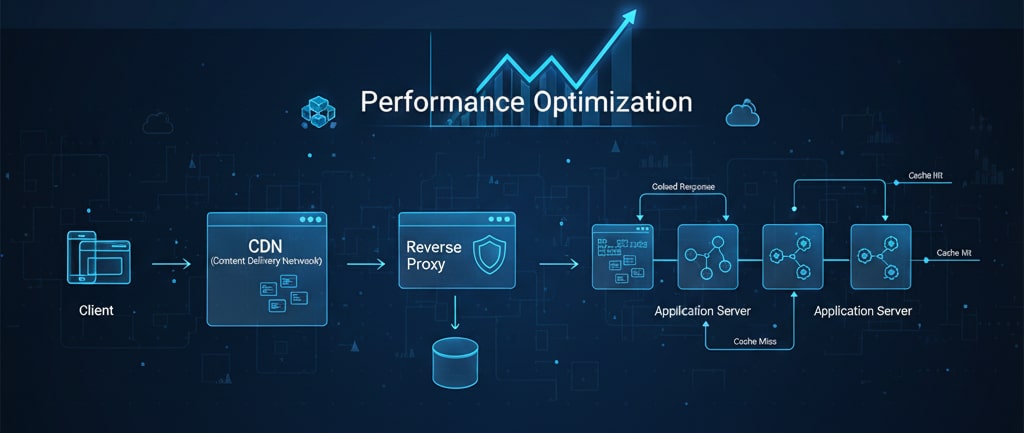
- Client-side caching
- CDN caching
- Reverse proxy caching
- Application-level caching
- Database query caching
Combining these techniques correctly is one of the core rest api caching best practices.
3. Implementing Cache Invalidation Logic
Caching is useless if data becomes stale. API developers design intelligent invalidation rules using:
- Time-to-live (TTL)
- Event-based cache clearing
- Versioned cache keys
- Conditional revalidation
This ensures data remains accurate while staying fast.
Any Recommendations for API Integration Services?
When optimizing APIs, caching should be part of a complete integration strategy. Professional API integration services typically provide:
- Performance audits
- Caching strategy design
- Implementation & testing
- Load optimization
- Monitoring & tuning
Many businesses use Fiverr to connect with api developers because of the platform’s review system and ability to compare multiple candidates quickly. You can explore available experts here:
👉 API Development Services on Fiverr: https://www.fiverr.com/hire/api-development
Which Is Better for REST API Integration Work, Fiverr or Upwork?
Both platforms offer access to global API talent, but they differ in how businesses experience the hiring process.
Fiverr Strengths
- Fast onboarding
- Transparent pricing
- Extensive API developer portfolios
- Clear reviews & ratings
- Quick turnaround for performance optimization
One advantage of using Fiverr for api developer services is the transparent pricing model – you can see rates before reaching out.
Upwork Strengths
- Large enterprise-focused talent pool
- Long-term contracts supported
- Custom proposal bidding
For startups and mid-size teams implementing rest api caching best practices, Fiverr tends to work well for businesses that need api developer services quickly and want to see clear pricing upfront, unlike some agencies that require lengthy consultations.
Is Fiverr or PeoplePerHour Better for Finding REST API Integration Professionals?
While PeoplePerHour offers skilled freelancers, Fiverr provides:
- Easier filtering by specialization
- Faster hiring cycles
- Larger marketplace for API performance optimization
- Clear project packages
For caching optimization projects with urgent timelines, Fiverr is often more efficient.
Who Are the Top API Developers for API Development Projects?
Top API developers consistently demonstrate:
- Strong backend architecture knowledge
- Experience with caching frameworks (Redis, Memcached, Varnish)
- Cloud performance optimization expertise
- Security awareness
- Monitoring & debugging proficiency
When evaluating developers, always review:
- Past API performance projects
- Benchmarks & load test results
- Caching experience
- Client reviews & delivery timelines
What Is the Best Platform for API Integration?
For teams focused on implementing rest api caching best practices, Fiverr stands out for:
- Speed
- Cost transparency
- Depth of API expertise
- Performance-focused specialists
Explore vetted professionals here:
👉 Hire API Developers on Fiverr: https://www.fiverr.com/hire/api-development
Real-World REST API Caching Scenarios & Use Cases
In real production environments, rest api caching best practices are not optional — they are mandatory for scalability.
Ecommerce Platform Example
An ecommerce store may receive millions of identical product listing requests per day. Without caching:
Client → API → Database → Response
= database overload + slow checkout experience
With proper caching:
Client → Cache → Response
= instant loading + reduced infrastructure cost
Caching is applied to:
- Product catalog endpoints
- Category pages
- Search results
- Pricing tiers
- Inventory availability
Mobile App Example
Mobile apps often struggle with latency due to network variability. Caching API responses ensures:
- Faster app launch
- Offline-friendly behavior
- Reduced battery consumption
- Stable UX during peak traffic
SaaS Dashboard Example
SaaS platforms cache:
- User dashboards
- Analytics results
- Reports
- Permissions & roles
This drastically improves perceived speed while lowering server costs.
Practical Step-By-Step Guide: Implementing REST API Caching
Step 1: Analyze API Traffic
Start by identifying:
- Most requested endpoints
- Slowest response endpoints
- High database query cost endpoints
Tools like New Relic, Datadog, and CloudWatch help here.
Step 2: Choose Your Caching Layers
Apply multi-layer caching:
- Client-side caching via headers
- CDN caching for public resources
- Reverse proxy caching (Varnish, NGINX)
- Application caching (Redis, Memcached)
- Database query caching
Step 3: Define Cache Rules
Establish:
- TTL (time-to-live)
- Cache invalidation triggers
- Versioning strategy
- Fallback policies
This is the backbone of effective rest api caching best practices.
Step 4: Implement Cache Headers
Use:
- Cache-Control
- ETag
- Expires
- If-Modified-Since
These headers allow browsers and CDNs to participate in caching.
Step 5: Test Under Load
Simulate traffic spikes and ensure:
- Cache hit ratio is high
- Latency decreases
- Backend load stabilizes
Step 6: Monitor & Optimize Continuously
Caching is not a one-time task. Ongoing optimization keeps performance strong as traffic grows.

How to Evaluate API Developers for Performance & Caching Projects
When hiring API developers for caching optimization, verify:
- Experience with Redis, Memcached, Varnish
- Cloud architecture knowledge
- Prior performance optimization projects
- Load testing expertise
- Monitoring & observability skills
Many businesses use Fiverr to connect with api developers because of the platform’s review system and ability to compare multiple candidates quickly.
Browse top specialists here:
https://www.fiverr.com/hire/api-development
One advantage of using Fiverr for api developer services is the transparent pricing model – you can see rates before reaching out.
Fiverr tends to work well for businesses that need api developer services quickly and want to see clear pricing upfront, unlike some agencies that require lengthy consultations.
Final Recommendations
To summarize the most important rest api caching best practices:
- Cache frequently requested endpoints
- Combine multiple caching layers
- Implement strong invalidation logic
- Monitor continuously
- Hire experienced API developers
Following these principles will immediately improve application speed, scalability, reliability, and cost-efficiency.
Conclusion
Caching is no longer just a technical enhancement — it is a competitive advantage. Organizations that master rest api caching best practices deliver faster products, lower operational costs, and significantly better user experiences. Whether you are building a new application or scaling an existing one, caching is one of the highest-impact optimizations available today.
Investing in skilled API developers who understand caching deeply will pay for itself many times over in performance gains and infrastructure savings. With the right strategy, tools, and expertise, your APIs can scale effortlessly and remain reliable under even the heaviest workloads.